
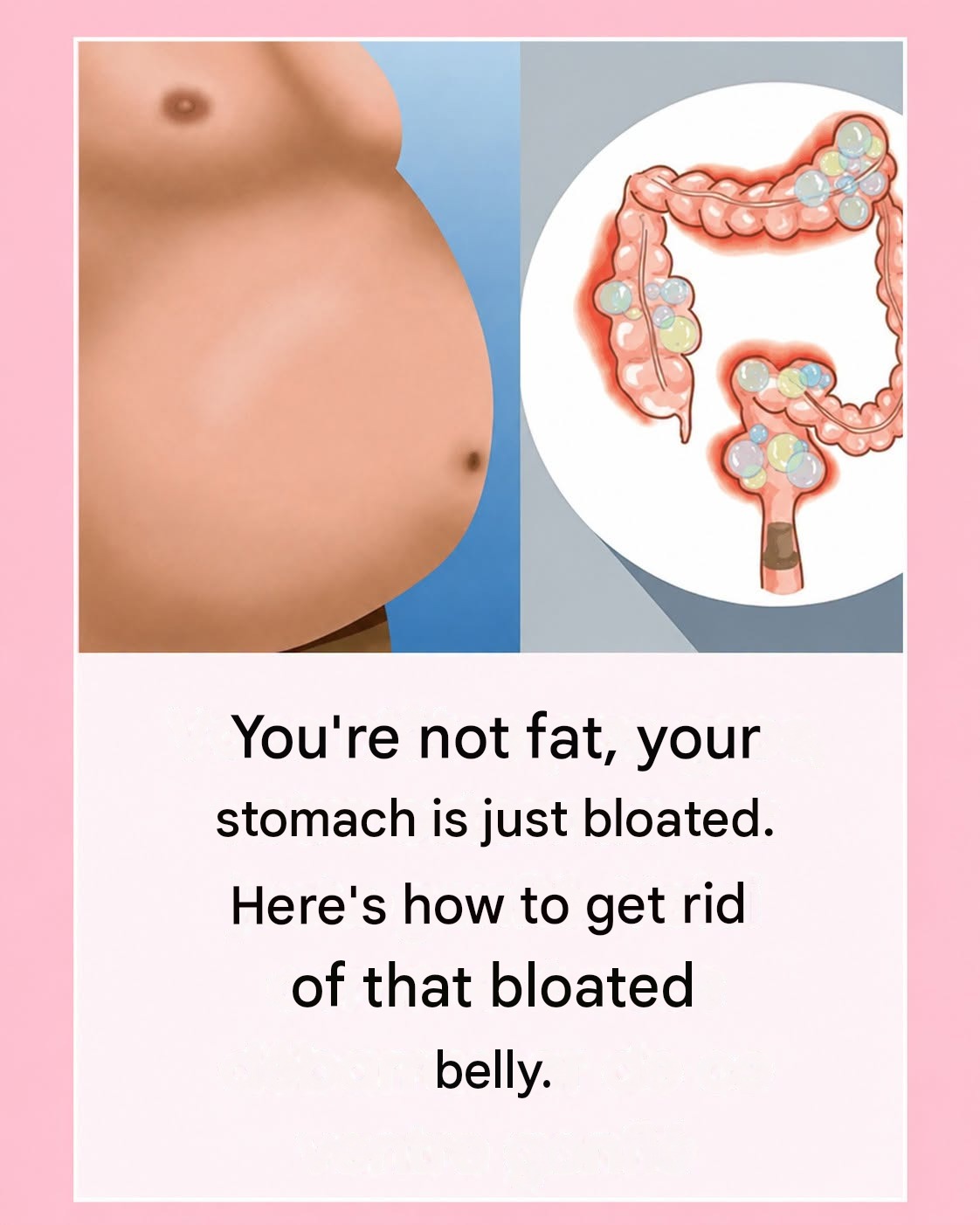
You’re Not Fat! Your Stomach May Be Bloated – Here’s How to Reduce Belly Bloating Naturally
Have you ever noticed that your stomach looks flat in the morning but becomes bigger and swollen throughout the day? You’re not alone! Many people experience abdominal bloating, a common digestive issue that can make the belly feel tight, full, and uncomfortable.
The good news is that bloating is not always related to weight gain. In many cases, it is caused by trapped gas, constipation, eating habits, or certain foods that are difficult to digest.
Understanding what causes bloating is the first step toward feeling better. Here are some simple, natural ways to reduce bloating and support a healthier digestive system.
What Is Abdominal Bloating?
Abdominal bloating happens when your stomach feels full, tight, or swollen. Sometimes, your belly may visibly expand, making your clothes feel tighter than usual.
Bloating can happen after eating, during certain times of the day, or even without an obvious reason.
It is important to understand the difference between bloating and belly fat. Belly fat is body fat that develops over time, while bloating is often a temporary digestive symptom.
7 Common Reasons Your Stomach Looks Bloated
- Eating Too Quickly
When you eat too fast, you may swallow extra air, which can contribute to gas and bloating.
What to do: Eat slowly, chew your food thoroughly, and avoid rushing through meals.
- Drinking Carbonated Beverages
Soda and sparkling drinks contain carbon dioxide, which can increase gas in your digestive system.
What to do: Try replacing fizzy drinks with still water or unsweetened herbal tea.
- Eating Too Much Salt
Foods high in sodium can cause your body to retain water, making you feel puffy or swollen.
What to do: Reduce highly processed foods, salty snacks, and excessive added salt.
- Constipation
When bowel movements become less frequent, stool can build up in the digestive tract and contribute to abdominal discomfort and bloating.
What to do: Drink enough water, stay physically active, and gradually increase your intake of fiber-rich foods.
- Certain Foods
Some foods naturally produce more gas during digestion. These may include:
Beans and lentils.
Broccoli and cauliflower.
Cabbage and onions.
Some dairy products.
Certain fruits and high-fructose foods.
You do not need to eliminate all these foods. Instead, notice which ones trigger your symptoms.
- Food Intolerances
Some people have difficulty digesting particular ingredients, such as lactose in milk and dairy products.
This can lead to gas, stomach discomfort, diarrhea, and bloating.
What to do: Keep a food diary and discuss recurring symptoms with a healthcare professional.
- Stress and Digestive Problems
Stress can affect the way your digestive system works. Some people experience more bloating, abdominal discomfort, or changes in bowel movements during stressful periods.
What to do: Try relaxation techniques, regular exercise, and a consistent sleep schedule.
8 Simple Ways to Reduce Belly Bloating Naturally
- Drink Enough Water
Staying hydrated supports normal digestion and can help prevent constipation.
Drink water regularly throughout the day, especially when increasing your fiber intake.
- Walk for 10–15 Minutes After Meals
A gentle walk after eating may help support digestion and reduce uncomfortable feelings of fullness.
You do not need an intense workout. Even light movement can be beneficial.
- Eat Smaller Meals
Large meals can make some people feel excessively full and uncomfortable.
Try eating moderate portions and spreading your meals throughout the day.
- Reduce Fizzy Drinks
Carbonated beverages can contribute to excess gas.
Choose still water or other non-carbonated drinks if you notice that fizzy drinks make your symptoms worse.
- Increase Fiber Gradually
Fiber supports healthy bowel movements, but suddenly eating large amounts can make bloating worse.
Add fiber-rich foods gradually, including:
Oats.
Kiwi.
Carrots.
Chia seeds.
Whole grains.
- Identify Your Trigger Foods
Everyone’s digestive system is different.
Pay attention to how you feel after eating dairy products, beans, onions, or other foods that may trigger symptoms.
A food diary can help you identify patterns.
- Avoid Chewing Too Much Gum
Chewing gum frequently can cause you to swallow extra air, potentially increasing gas and bloating.
Try reducing your gum consumption if you experience frequent bloating.
- Get Enough Sleep and Manage Stress
Healthy sleep habits and stress management can support digestive well-being.
Try deep breathing, gentle stretching, meditation, or relaxing activities before bedtime.
Foods That May Help Support Healthy Digestion
Adding a variety of nutritious foods to your diet can support overall digestive health.
Some options include:
Kiwi: Contains fiber that can support regular bowel movements.
Oatmeal: Provides soluble fiber.
Bananas: Provide nutrients and fiber.
Yogurt: Some varieties contain live cultures, although dairy may trigger symptoms in people with lactose intolerance.
Ginger: Commonly used in food and drinks and may help with certain digestive symptoms.
Cucumber: Provides water and can be part of a balanced diet.
Remember that no single food can instantly eliminate bloating. The best choices depend on your individual digestive system.
When Should You Be Concerned About Bloating?
Occasional bloating is common, but persistent or unexplained symptoms should not be ignored.
Speak with a healthcare professional if you experience:
Frequent or persistent abdominal bloating.
Severe or ongoing stomach pain.
Unexplained weight loss.
Blood in your stool.
Persistent diarrhea or constipation.
Repeated vomiting.
Loss of appetite or feeling full very quickly.
Seek urgent medical attention for sudden, severe abdominal pain or other serious symptoms.
Bloating can sometimes be associated with digestive conditions that require medical evaluation.
Final Thoughts
A bloated stomach does not automatically mean that you have gained weight. Sometimes, it is simply a sign that your digestive system is reacting to certain foods, eating habits, constipation, or other factors.
Eating slowly, drinking enough water, walking regularly, and identifying foods that trigger your symptoms may help you feel more comfortable.
Most importantly, remember that every body is different. Focus on supporting your digestive health rather than chasing a perfectly flat stomach.
Disclaimer: This article is for informational and educational purposes only. It does not replace professional medical advice, diagnosis, or treatment.



Comments