
What to Do If You Start Seeing Eye Floaters: An Eye Doctor’s Helpful Guide
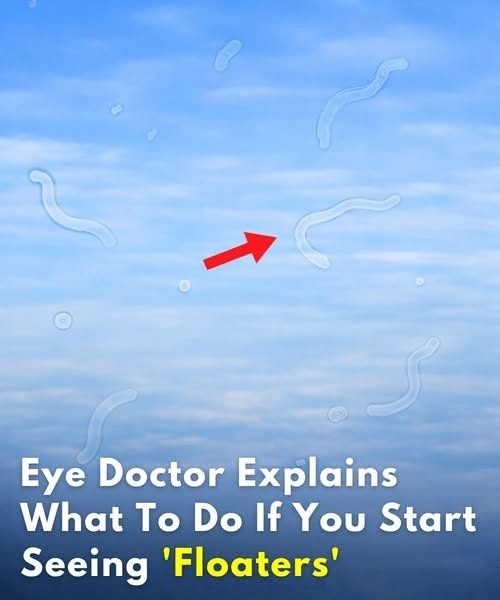
Have you ever noticed tiny spots, dark dots, cobweb-like shapes, or squiggly lines drifting across your vision? These are commonly known as eye floaters. They may appear when you look at a bright wall, a clear blue sky, or a white computer screen.
Although eye floaters are often harmless, some changes in your vision can indicate a serious eye condition that requires immediate medical attention.
In this guide, we’ll explain what eye floaters are, why they happen, when you should worry, and what you can do to protect your eyesight.
What Are Eye Floaters?
Eye floaters are small shapes that seem to move across your field of vision. They may look like:
Tiny black or gray dots.
Floating threads or strings.
Small circles or transparent spots.
Spiderweb-like shapes.
Wavy lines that move when you move your eyes.
Floaters are usually caused by tiny clumps or strands inside the vitreous, the clear gel-like substance that fills the inside of your eye.
These tiny structures cast shadows on the retina, creating the appearance of floating objects.
Why Do Eye Floaters Appear?
There are several possible reasons why you may start noticing floaters.
- Natural Aging
As people get older, the vitreous gel gradually changes its consistency. It becomes more liquid and may develop small clumps that create shadows in your vision.
- Posterior Vitreous Detachment
This happens when the vitreous gel separates from the retina. It is relatively common with aging and can cause new floaters or flashes of light.
- Eye Injuries
An injury to the eye can sometimes cause bleeding or inflammation, resulting in floaters.
- Eye Inflammation
Certain inflammatory conditions affecting the inside of the eye can produce floaters and blurred vision.
- Retinal Problems
In some cases, floaters may be associated with a retinal tear or retinal detachment. These conditions can threaten vision if not treated quickly.
When Should You Be Worried About Eye Floaters?
Most long-standing floaters are harmless. However, certain warning signs should never be ignored.
Seek urgent eye care if you experience:
A sudden increase in the number of floaters.
New flashes of light in one or both eyes.
A dark shadow or curtain moving across your vision.
Sudden blurred or reduced vision.
Floaters appearing after an eye injury.
These symptoms can indicate a retinal tear or retinal detachment. Do not wait for them to disappear on their own.
What Should You Do If You Notice Floaters?
Here are some important steps to follow.
- Arrange an Eye Examination
If you develop new floaters, contact an eye-care professional promptly. A dilated eye examination can help determine whether your retina is healthy.
- Pay Attention to Sudden Changes
Notice whether the floaters are increasing, whether flashes appear, or whether your vision becomes blurry.
- Avoid Rubbing Your Eyes
Rubbing your eyes will not remove floaters and may irritate or injure the eye.
- Protect Your Eyes
Wear appropriate protective eyewear during activities that could cause eye injuries. Sunglasses can also make bright outdoor conditions more comfortable.
- Follow Your Eye Doctor’s Advice
If your floaters are harmless, treatment may not be necessary. If they are caused by an underlying condition, your doctor can recommend the appropriate treatment.
Can Eye Floaters Disappear Naturally?
In many cases, floaters become less noticeable over time. Your brain may gradually adapt to them, making them less distracting.
However, this does not mean every new floater should be ignored. A sudden change needs an eye examination to rule out retinal damage.
There is no proven home remedy, special eye exercise, or dietary supplement that reliably removes ordinary eye floaters.
Are Eye Floaters a Sign of a Serious Disease?
Not necessarily. Many people experience floaters as part of the natural aging process.
Nevertheless, sudden floaters can sometimes be associated with:
Retinal tears.
Retinal detachment.
Bleeding inside the eye.
Inflammation inside the eye.
Early diagnosis is important because some of these conditions can cause permanent vision loss if treatment is delayed.
Final Thoughts
Eye floaters are common, especially as we get older. While they are often harmless, sudden changes in your vision deserve attention.
The most important thing is to recognize the warning signs. If you suddenly notice many new floaters, flashes of light, a dark curtain, or reduced vision, seek urgent medical attention.
Taking care of your eyes and scheduling regular eye examinations can help protect your vision for years to come.
Disclaimer: This article is for informational and educational purposes only. It is not a substitute for professional medical advice, diagnosis, or treatment.



Comments