
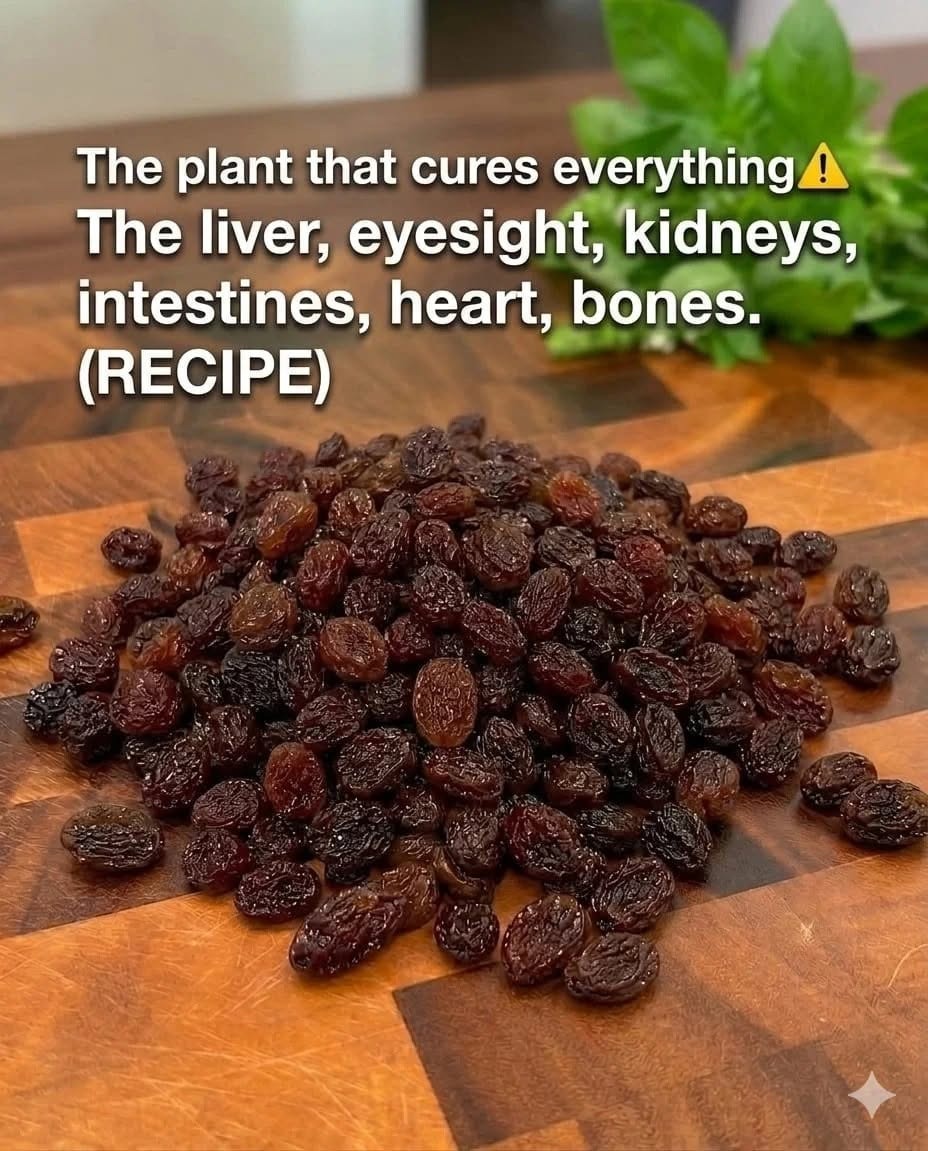
The Tiny Fruit That May Support Your Heart, Liver, Kidneys, Digestion, and Bones!
What if one of the simplest foods in your kitchen could provide several important nutrients for your body? Raisins, those small and naturally sweet dried grapes, are more than just a delicious snack. They contain fiber, potassium, iron, and powerful plant compounds that may contribute to better overall health.
Although raisins are sometimes promoted as a miracle food that can cure almost anything, their real nutritional benefits are still worth discovering.
Let’s take a closer look at what happens when you include raisins in your daily diet.
- May Help Improve Digestion and Relieve Constipation
Raisins contain dietary fiber, which helps support a healthy digestive system. Fiber adds bulk to stools and can help promote regular bowel movements.
Eating raisins in moderation may help:
Support regular digestion.
Reduce occasional constipation.
Maintain healthy bowel movements.
Support beneficial gut bacteria.
For an easy breakfast, try adding a handful of raisins to oatmeal or natural yogurt.
- May Support a Healthy Heart
Your heart needs several essential nutrients to function properly, and potassium is one of them.
Raisins provide potassium, which helps regulate blood pressure and supports normal muscle function.
They also contain antioxidants that may help protect cells against oxidative stress.
Including moderate portions of raisins in a balanced diet can contribute to heart health, although they are not a substitute for heart medication or medical treatment.
- Provide Antioxidants That Protect Your Cells
Raisins contain natural plant compounds, including polyphenols and flavonoids.
These antioxidants help protect the body’s cells against oxidative damage caused by free radicals.
Oxidative stress is associated with aging and various chronic health conditions.
Eating antioxidant-rich foods such as raisins, berries, grapes, and vegetables can help support a healthy diet.
- May Contribute to Stronger Bones
Healthy bones need essential minerals such as calcium, magnesium, and potassium.
Raisins contain some of these minerals, making them a useful addition to a varied diet.
However, they should not be considered a treatment for osteoporosis or other bone conditions.
Combining a nutritious diet with regular weight-bearing exercise is important for maintaining strong bones.
- Are Raisins Good for Your Liver?
Grapes and raisins contain antioxidant compounds that have attracted scientific interest because of their potential health benefits.
However, there is no reliable evidence that raisins can detoxify the liver or cure fatty liver disease.
The best ways to support liver health include maintaining a healthy weight, limiting alcohol consumption, eating balanced meals, and following medical advice when necessary.
- Can Raisins Improve Your Eyesight?
Raisins contain antioxidants, but they are not a particularly rich source of the nutrients most strongly associated with eye health, such as vitamin A and certain carotenoids.
For better nutritional support for your eyes, consider eating carrots, spinach, sweet potatoes, and other colorful vegetables.
Remember that raisins cannot cure vision problems or replace an eye examination.
- Do Raisins Help Cleanse Your Kidneys?
Your kidneys naturally filter waste products from your blood and help maintain fluid and mineral balance.
Raisins provide potassium, an essential mineral involved in several bodily functions.
However, they do not cleanse or detoxify the kidneys. People with kidney disease may also need to limit potassium intake, depending on their condition.
Always consult your healthcare professional before making significant dietary changes if you have kidney problems.
The Best Way to Eat Raisins Every Day
You do not need complicated recipes to enjoy the nutritional benefits of raisins.
Try these simple ideas:
Add two tablespoons of raisins to your morning oatmeal.
Mix raisins with almonds and walnuts for a nutritious snack.
Add them to plain yogurt.
Sprinkle them over fresh salads.
Combine them with wholegrain breakfast cereals.
A portion of approximately 30 grams is a reasonable starting point for most adults.
Important Precautions
Despite their nutritional value, raisins contain concentrated natural sugars and calories because most of their water has been removed.
Keep these points in mind:
People with diabetes should pay attention to portion sizes and carbohydrate intake.
People with chronic kidney disease should check whether raisins fit their potassium restrictions.
Eating large quantities may contribute unnecessary calories.
Dried fruit can stick to teeth, so maintain good dental hygiene.
Final Thoughts
Raisins may be small, but they provide useful nutrients that can contribute to a healthy lifestyle.
Their fiber supports digestion, their potassium helps maintain normal body functions, and their antioxidant compounds add nutritional value to your meals.
However, no fruit or natural remedy can cure every disease.
Enjoy raisins in moderation as part of a balanced diet, stay physically active, drink enough water, and seek professional medical advice when you experience health problems.
Sometimes, the simplest foods can make a valuable contribution to a healthier lifestyle



Comments