
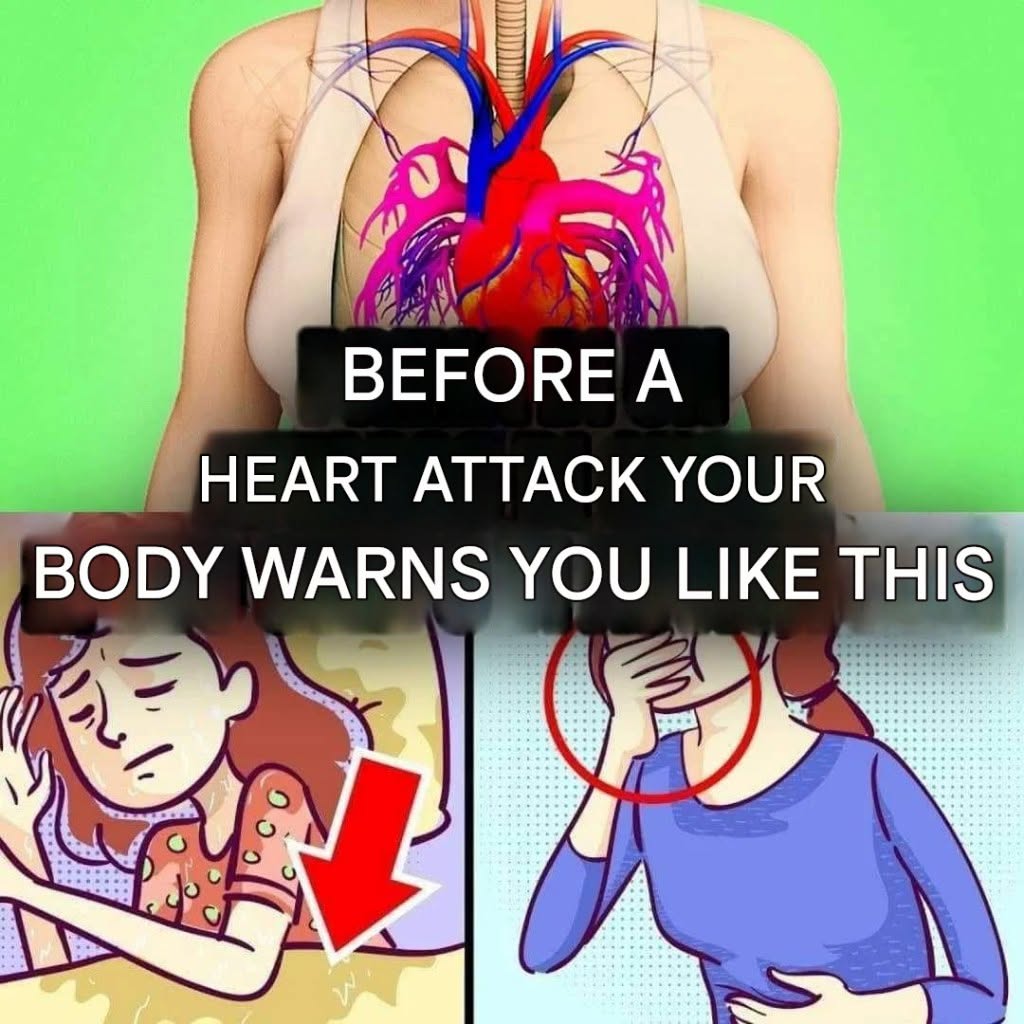
8 Heart Attack Warning Signs You Should Never Ignore
A heart attack is a serious medical emergency that can happen suddenly or develop with mild symptoms that are easy to overlook. Many people believe that a heart attack always begins with severe chest pain, but the truth is that the warning signs can be different from one person to another.
Recognizing these symptoms early can help save lives. Some people experience warning signs hours or even days before a heart attack, while others develop symptoms suddenly.
Here are 8 important heart attack warning signs everyone should know.
1. Chest Pain or Pressure
One of the most common signs of a heart attack is discomfort in the chest. It may feel like pressure, squeezing, heaviness, tightness, or burning in the center of the chest.
The discomfort may last several minutes or disappear and return. Some people mistake it for heartburn or indigestion.
Never ignore unexplained chest pressure, especially when it occurs with other symptoms.
2. Pain in the Arm, Shoulder, Neck, or Jaw
Heart attack pain does not always stay in the chest. It can spread to other parts of the upper body, including:
- One or both arms.
- The shoulders.
- The neck.
- The jaw.
- The upper back.
This discomfort may feel like aching, pressure, or unusual tightness. It can occur with or without noticeable chest pain.
3. Shortness of Breath
Suddenly finding it difficult to breathe can be another warning sign of a heart attack.
You may feel breathless while walking, climbing stairs, sitting, or even resting. Sometimes, breathing difficulties happen before chest discomfort appears.
If unexplained shortness of breath develops suddenly, seek emergency medical attention.
4. Cold Sweats
Breaking out in a cold sweat without an obvious reason can sometimes indicate a heart problem.
You may suddenly feel clammy, sweaty, or unusually uncomfortable, even when the room is cool and you are not exercising.
Cold sweating becomes especially concerning when accompanied by chest discomfort, nausea, dizziness, or breathing difficulties.
5. Nausea, Vomiting, or Stomach Discomfort
Some people experience symptoms that resemble an upset stomach during a heart attack.
These may include:
- Nausea or feeling sick.
- Vomiting.
- Upper abdominal discomfort.
- A sensation similar to indigestion.
These symptoms can be particularly easy to overlook because people may assume they have eaten something that disagrees with them.
However, unexplained stomach discomfort combined with other heart attack symptoms requires immediate medical attention.
6. Unusual Fatigue and Weakness
Feeling extremely tired without a clear explanation can sometimes be associated with heart problems.
You may notice that everyday activities suddenly feel exhausting, even when you have had enough sleep.
Some people, particularly women, report unusual fatigue or weakness before or during a heart attack.
If the tiredness is sudden, unusual, or accompanied by other warning signs, do not ignore it.
7. Dizziness or Lightheadedness
Feeling dizzy, faint, or suddenly unsteady can be another possible symptom.
Some people may feel as though they are about to pass out or experience unusual weakness.
This can happen when the heart is not pumping blood effectively. Dizziness accompanied by chest pain, sweating, or shortness of breath should be treated as an emergency.
8. Pain in the Upper Back or Between the Shoulder Blades
Unexplained discomfort in the upper back can sometimes be associated with a heart attack.
The pain may feel like pressure, tightness, or aching between the shoulder blades.
Women may be more likely to experience certain less typical symptoms, including upper back discomfort, nausea, and unusual fatigue.
Do not assume that upper back pain is always caused by muscle strain, especially when other warning signs are present.
Are Heart Attack Symptoms Different in Women?
Heart attacks can affect both men and women, but symptoms do not always appear in the same way.
Chest discomfort remains one of the most common symptoms for both. However, women may also experience unusual fatigue, nausea, shortness of breath, and discomfort in the back, shoulders, or jaw.
Because these symptoms can be mistaken for everyday health problems, it is important to recognize them and seek medical attention immediately.
What Should You Do If You Notice These Symptoms?
If you suspect that you or someone else is having a heart attack, take the situation seriously.
Follow these important steps:
- Contact emergency medical services immediately.
- Stop physical activity and rest in a comfortable position.
- Do not drive yourself to the hospital.
- Follow the emergency dispatcher’s instructions.
- Do not wait for symptoms to disappear before seeking help.
Quick medical treatment can reduce damage to the heart muscle and improve the chances of survival.
How Can You Reduce Your Risk of a Heart Attack?
Although not every heart attack can be prevented, healthy lifestyle choices can help reduce your risk.
Consider these habits:
- Eat a balanced diet rich in vegetables, fruits, and whole grains.
- Exercise regularly, according to your health and fitness level.
- Avoid smoking and tobacco products.
- Monitor your blood pressure and cholesterol levels.
- Manage diabetes with professional medical guidance.
- Maintain a healthy weight.
- Get regular health checkups.
- Follow your doctor’s recommendations and prescribed treatments.
Small changes in your daily routine can make a meaningful difference to your long-term heart health.
Final Thoughts
A heart attack does not always look like the dramatic emergencies we see in movies. Sometimes, the warning signs are subtle and easy to mistake for ordinary tiredness, indigestion, or muscle pain.
Learning to recognize chest discomfort, breathing difficulties, cold sweats, nausea, unusual fatigue, and other possible symptoms can help you respond quickly when it matters most.
Remember: If you suspect a heart attack, seek emergency medical help immediately. Never wait for all eight symptoms to appear.
Medical Disclaimer: This article is intended for educational and informational purposes only. It does not replace professional medical advice, diagnosis, or treatment. Always seek emergency medical assistance if you suspect a heart attack.

Comments