
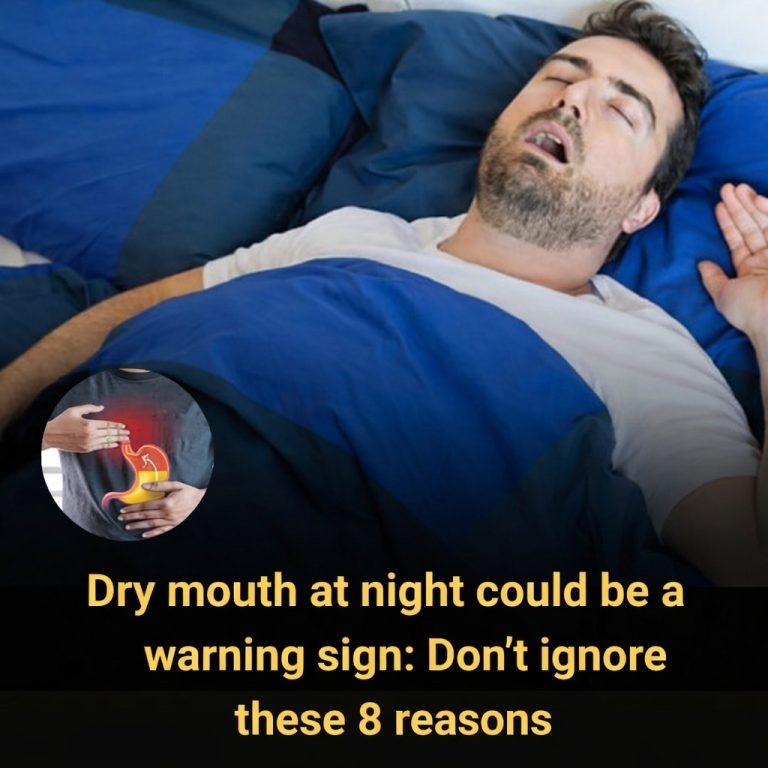
ry Mouth at Night: 8 Possible Causes You Should Never Ignore
Waking up in the middle of the night with a dry mouth can be more than just an uncomfortable experience. If it happens frequently, your body may be trying to tell you something.
Dry mouth, also known as xerostomia, occurs when your salivary glands do not produce enough saliva to keep your mouth moist. While occasional dryness is common, persistent symptoms may be linked to dehydration, medications, sleep problems, or certain medical conditions.
But what exactly causes dry mouth during sleep?
Here are eight possible reasons you should know about.
- Dehydration
Not drinking enough water during the day can reduce saliva production. This may leave your mouth feeling sticky and dry when you wake up.
Other signs include thirst, dark urine, headaches, and fatigue.
- Sleeping With Your Mouth Open
Mouth breathing is one of the most common causes of dry mouth at night.
It may happen because of nasal congestion, allergies, or other breathing difficulties. Snoring can also be associated with nighttime mouth breathing.
- Medication Side Effects
Certain medications can reduce saliva production, including some antidepressants, antihistamines, blood pressure medications, and diuretics.
If symptoms begin after starting a new medication, ask your doctor or pharmacist about possible alternatives.
- Diabetes
Persistent dry mouth can sometimes be associated with elevated blood sugar levels.
Other possible warning signs include:
Frequent urination.
Increased thirst.
Unexplained weight loss.
Blurred vision.
Unusual tiredness.
If you notice several of these symptoms, consult a healthcare professional about blood sugar testing.
- Sjögren’s Disease
Sjögren’s disease is an autoimmune condition that affects glands responsible for producing moisture.
It can cause persistent dry mouth and dry eyes, sometimes accompanied by joint discomfort and fatigue.
- Alcohol, Smoking, and Caffeine
Alcohol and tobacco can contribute to oral dryness. Excessive caffeine may also aggravate symptoms in some individuals.
Reducing these habits may help improve nighttime comfort.
- Oral Infections
Certain oral infections, including oral thrush, can cause discomfort, burning sensations, altered taste, and white patches inside the mouth.
A dentist or doctor can determine whether an infection is responsible.
- Salivary Gland Problems
Conditions affecting the salivary glands can interfere with normal saliva production.
Radiation therapy involving the head and neck can also damage these glands, resulting in persistent dry mouth.
How Can You Prevent Dry Mouth at Night?
Here are some simple steps that may help:
Drink enough water throughout the day.
Use a humidifier in your bedroom.
Avoid smoking and limit alcohol.
Reduce excessive caffeine consumption.
Maintain good oral hygiene.
Try sugar-free chewing gum during the day.
Ask your dentist about saliva substitutes.
When Is Dry Mouth a Reason for Concern?
You should speak with a healthcare professional if dry mouth persists for several weeks, makes swallowing difficult, causes repeated mouth infections, or occurs alongside excessive thirst and frequent urination.
A doctor may review your medications and recommend additional tests to identify the underlying cause.
Final Thoughts
Dry mouth at night is often caused by everyday factors such as dehydration, mouth breathing, or medication side effects.
However, persistent dryness should not be ignored, especially when accompanied by other unusual symptoms.
Understanding the possible causes and making simple lifestyle changes can help protect your oral health and improve your sleep quality.
Remember: Persistent dry mouth deserves attention. If it keeps happening, speak with your doctor or dentist to find out why.
Medical disclaimer: This article is for informational purposes only and is not a substitute for professional medical advice.
SEO Keywords
Dry mouth at night, waking up with dry mouth, causes of dry mouth, nighttime dry mouth, xerostomia, dry mouth remedies, dry mouth and diabetes.
Meta Description
Waking up with a dry mouth every night? Discover 8 possible causes, important symptoms to watch for, and simple ways to relieve nighttime dry mouth.



Comments