
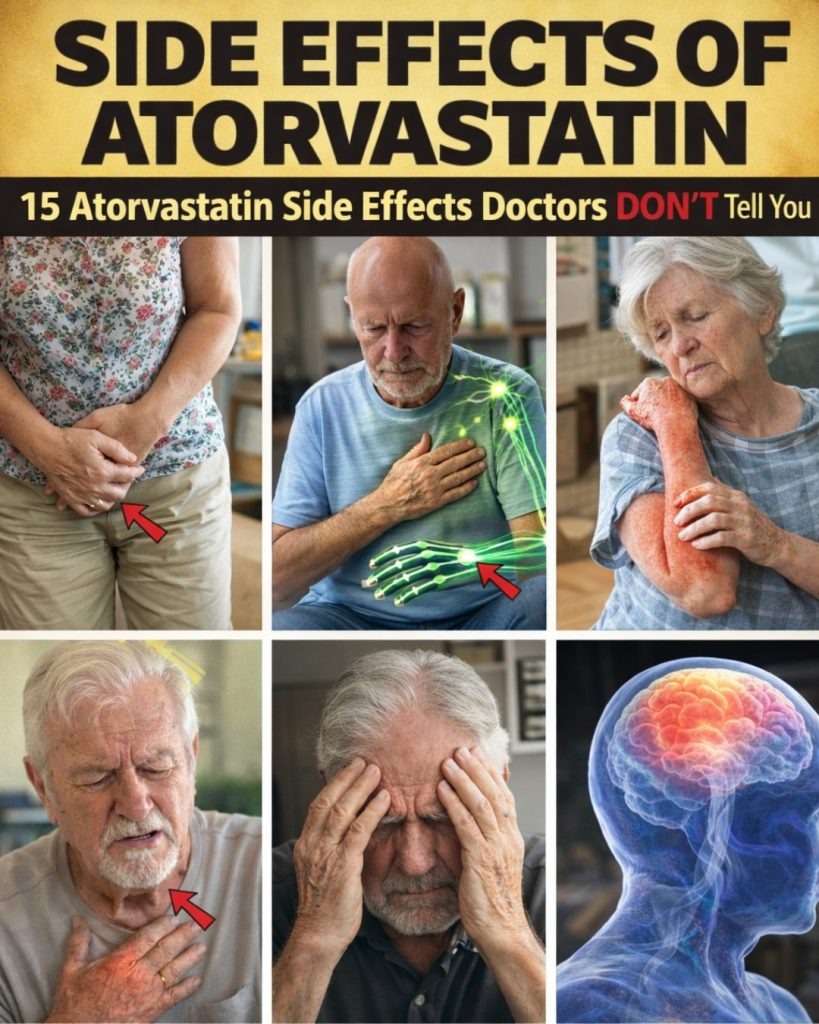
15 Atorvastatin Side Effects You Should Know About
Atorvastatin is a widely prescribed medication used to lower cholesterol and reduce the risk of heart attacks and strokes. Although it offers important health benefits, like all medications, it can cause side effects in some people.
Most patients tolerate atorvastatin well, especially when taking it at the prescribed dose. However, understanding its possible side effects can help you recognise unusual symptoms and know when to seek medical advice.
From muscle pain and digestive problems to less common but more serious reactions, here are 15 possible atorvastatin side effects everyone taking this medication should know about.
- Muscle Pain and Discomfort
Muscle pain is one of the side effects people often associate with atorvastatin. Some individuals experience soreness, tenderness or discomfort in their arms, legs or back.
The symptoms may be mild, but persistent or unexplained muscle pain should be discussed with a healthcare professional.
2. Joint Pain
Some people taking atorvastatin report discomfort in their joints, including their knees, shoulders, elbows and hips.
Joint pain can sometimes interfere with everyday activities, particularly when it becomes persistent.
3. Headaches
Headaches are another reported side effect. They may range from mild discomfort to recurring headaches that affect concentration and daily routines.
If headaches become severe, frequent or unusual, speak with your doctor.
4. Digestive Problems
Atorvastatin can cause digestive disturbances in some patients, including stomach discomfort, indigestion and changes in bowel movements.
These symptoms are generally manageable, but persistent digestive problems deserve medical attention.
5. Nausea
Some people experience nausea after starting atorvastatin. This may involve an uncomfortable feeling in the stomach or occasionally vomiting.
If nausea continues or affects your ability to eat and drink normally, consult your healthcare professional.
6. Diarrhea
Diarrhea is a recognised side effect of atorvastatin. It can cause frequent bowel movements, loose stools and abdominal discomfort.
Drink enough fluids to avoid dehydration and seek medical advice if diarrhea is severe or persistent.
7. Constipation
While some patients experience diarrhea, others may develop constipation.
This can involve difficulty passing stools, bloating and abdominal discomfort. Drinking sufficient water and eating fibre-rich foods may help.
8. Dizziness
Certain people report feeling dizzy while taking atorvastatin.
If you experience dizziness, be careful when standing up, driving or operating machinery. Repeated or severe episodes should be evaluated by a healthcare professional.
9. Sleep Problems and Insomnia
Some patients report difficulty sleeping or experiencing unusual sleep patterns while taking atorvastatin.
If sleep disturbances begin after starting the medication and continue over time, discuss them with your doctor.
10. Unusual Tiredness and Fatigue
Feeling unusually tired or lacking energy is another possible concern.
Although fatigue can have many causes, persistent tiredness accompanied by muscle weakness should not be ignored.
11. Memory Problems and Forgetfulness
Some people have reported temporary memory difficulties, forgetfulness or confusion while taking statins, including atorvastatin.
These reports are uncommon, and available evidence does not establish that atorvastatin routinely causes memory loss or dementia.
If you notice significant changes in your memory, speak with your healthcare professional.
12. Increased Blood Sugar Levels
Atorvastatin may slightly increase blood glucose levels in some individuals.
For people who already have diabetes, monitoring blood sugar is particularly important. Statins can also slightly increase the risk of developing type 2 diabetes in people who are already predisposed to it.
However, the cardiovascular benefits often outweigh this risk for patients who need treatment.
13. Liver Problems
Atorvastatin can cause changes in liver enzyme levels. Serious liver injury is uncommon, but it is an important potential complication.
Warning signs may include:
- Yellowing of the skin or eyes.
- Dark-coloured urine.
- Unusual tiredness.
- Loss of appetite.
- Pain in the upper right side of the abdomen.
Seek prompt medical attention if these symptoms occur.
- Severe Muscle Damage (Rhabdomyolysis)
Although rare, atorvastatin can cause a serious condition called rhabdomyolysis.
This occurs when damaged muscle tissue releases substances into the bloodstream that can harm the kidneys.
Warning signs include:
- Severe or unexplained muscle pain.
- Significant muscle weakness.
- Dark brown or cola-coloured urine.
- Unusual exhaustion.
- Fever or feeling generally unwell.
These symptoms require urgent medical assessment.
- Allergic Reactions and Skin Problems
Some people may develop skin reactions while taking atorvastatin.
Possible symptoms include itching, skin rashes, hives and redness.
A severe allergic reaction can cause swelling of the face, lips, tongue or throat, as well as difficulty breathing. This requires emergency medical attention.
When Should You Contact Your Doctor?
Not every side effect requires emergency treatment. However, certain symptoms should never be ignored.
Seek urgent medical attention if you experience:
- Severe muscle pain or weakness.
- Dark or brown urine accompanied by muscle symptoms.
- Yellow skin or eyes.
- Severe abdominal pain.
- Swelling of the face or throat.
- Difficulty breathing.
If you experience mild but persistent symptoms, arrange an appointment with your doctor or pharmacist.
Who Should Be Particularly Careful When Taking Atorvastatin?
Although many people can take atorvastatin safely, certain individuals may need additional medical supervision.
These include people who:
- Have existing liver problems.
- Have kidney disease.
- Have an underactive thyroid.
- Have a history of unexplained muscle problems.
- Regularly consume large amounts of alcohol.
- Take medications that can interact with atorvastatin.
Always tell your doctor about prescription medicines, over-the-counter products, vitamins and herbal supplements you use.
Can You Reduce the Risk of Atorvastatin Side Effects?
There are several practical steps that may help you use atorvastatin safely:
- Take the medication exactly as prescribed.
- Do not increase or decrease your dose without medical advice.
- Tell your doctor about any new or unusual symptoms.
- Attend recommended cholesterol and blood tests.
- Avoid excessive alcohol consumption.
- Discuss potential medication interactions with your pharmacist.
- Maintain a balanced diet and regular physical activity.
Remember that grapefruit juice can interact with atorvastatin, so ask your pharmacist about how much is safe to consume.
Should You Stop Taking Atorvastatin Because of Side Effects?
Not necessarily.
Some side effects are mild and may improve over time. In other cases, your doctor may recommend adjusting the dose, changing to another statin or considering a different cholesterol-lowering medication.
However, serious symptoms require immediate medical assessment and specific medical instructions about further doses.
Never stop a prescribed cholesterol medication simply because you read about possible side effects online.
Frequently Asked Questions About Atorvastatin
- What is the most common side effect of atorvastatin?
Commonly reported side effects include headache, nausea, digestive problems, muscle discomfort and joint pain.
- Can atorvastatin cause muscle weakness?
Yes. Muscle weakness can occur, although severe muscle damage is rare. Unexplained or significant weakness should be evaluated promptly.
- Can atorvastatin affect the liver?
Yes. It can increase liver enzymes, and rarely it may cause serious liver problems. Medical monitoring may be recommended.
- Does atorvastatin cause memory loss?
There have been uncommon reports of temporary memory problems and confusion. However, there is no established evidence that atorvastatin routinely causes dementia.
- Is it safe to take atorvastatin for many years?
Many patients take atorvastatin long-term under medical supervision. Doctors assess its benefits, potential risks and treatment effectiveness over time.
Final Thoughts
Atorvastatin plays an important role in protecting cardiovascular health by lowering harmful cholesterol and reducing the risk of heart attacks and strokes.
However, understanding its potential side effects is an important part of taking this medication responsibly.
Most people tolerate atorvastatin well, and serious complications are uncommon. Knowing which symptoms to watch for can help patients seek medical advice early and avoid unnecessary risks.
The most important thing to remember is that the benefits of atorvastatin can be substantial, particularly for people at high risk of cardiovascular disease. Treatment decisions should always be made with a qualified healthcare professional.
Medical disclaimer: This article is for educational purposes only. It does not replace professional medical advice,

Comments