
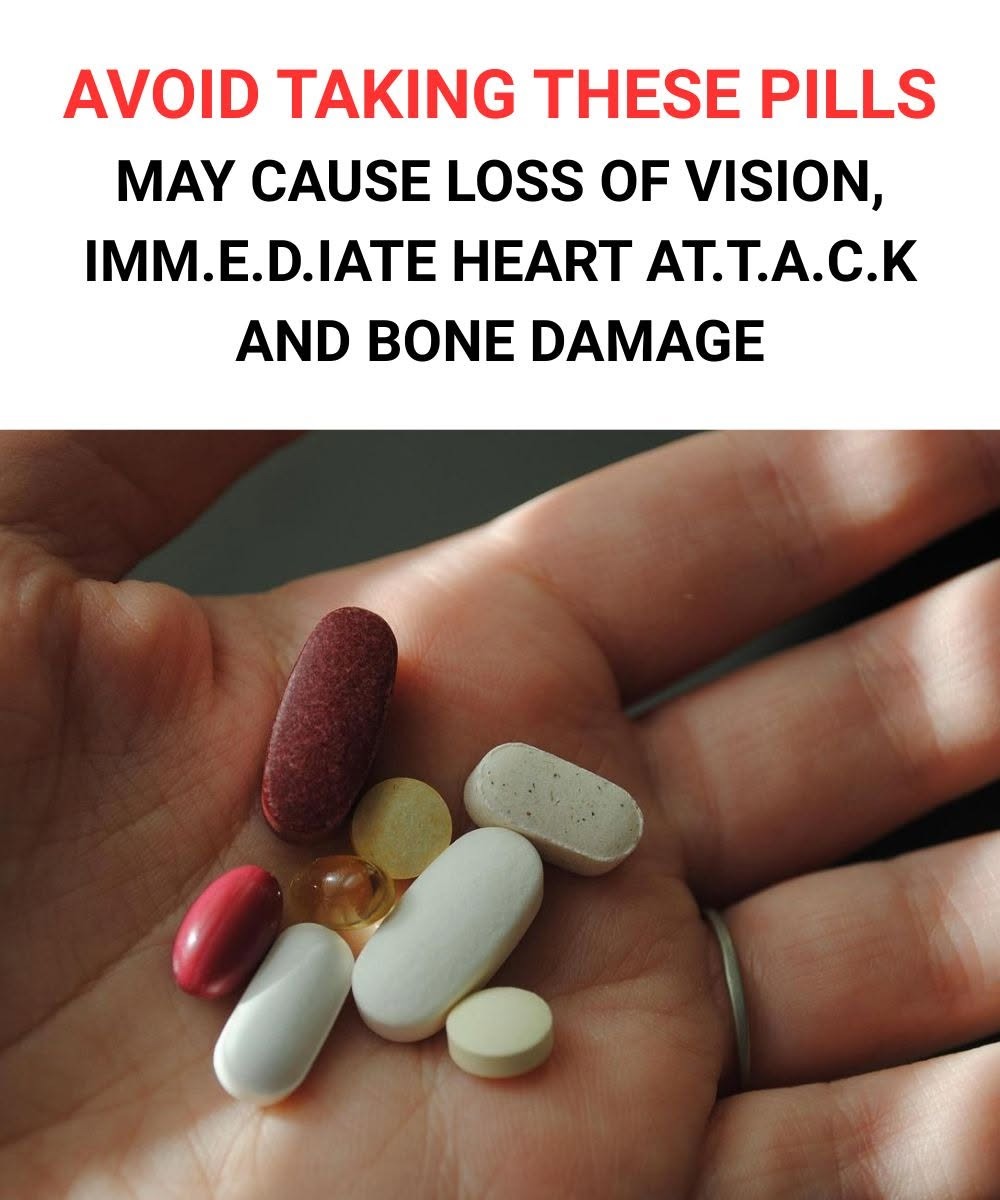
rning! These Common Pills May Increase Your Risk of Blood Clots and Heart Attacks
Many people take medication every day without thinking about the possible side effects. However, certain medicines may increase the risk of serious health problems, including blood clots, heart attacks, and vision complications.
Although medications are designed to treat illnesses and improve quality of life, some can become dangerous when used incorrectly or without proper medical supervision.
Understanding which medicines carry potential risks is an important step toward protecting your health.
- Painkillers That May Increase Heart Risks
Some commonly used anti-inflammatory painkillers, known as NSAIDs, may increase the risk of heart attacks and strokes.
Examples include:
Ibuprofen.
Diclofenac.
Naproxen.
Celecoxib.
The risk can depend on the dose, duration of use, and individual health conditions. People with heart disease or high blood pressure should discuss these medicines with their doctors.
- Hormonal Medications and Blood Clots
Certain hormone-based medications may increase the risk of developing blood clots.
For example, some contraceptive pills containing estrogen can increase the risk of deep vein thrombosis and pulmonary embolism.
The risk may be higher in people who smoke, have a history of blood clots, or have certain inherited conditions.
- Corticosteroids and Bone Damage
Corticosteroids such as prednisone and prednisolone are prescribed to treat inflammation and various medical conditions.
However, taking these medications for extended periods may:
Weaken bones.
Increase the risk of osteoporosis.
Raise blood sugar levels.
Increase blood pressure.
Increase the risk of certain infections.
Patients receiving long-term treatment should discuss possible bone protection and regular monitoring with their healthcare professionals.
- Medications That May Affect Your Eyesight
Some medicines can cause changes in vision or increase the risk of eye conditions.
Examples include corticosteroids, which may contribute to glaucoma and cataracts, particularly with prolonged use.
If you experience blurred vision, eye pain, or sudden changes in eyesight, seek medical advice promptly.
- Warning Signs You Should Never Ignore
Blood clots and heart problems can cause symptoms that require immediate medical attention.
Look out for:
Sudden chest pain or pressure.
Difficulty breathing.
Swelling or pain in one leg.
Unusual sweating.
Sudden weakness or dizziness.
Sudden vision loss.
Call emergency services immediately if you experience symptoms suggesting a heart attack, stroke, or pulmonary embolism.
- How to Reduce Your Risk
Protecting your health starts with responsible medication use.
Follow these simple precautions:
Never take prescription medication without appropriate medical guidance.
Avoid combining medicines without checking for interactions.
Follow the recommended dosage.
Tell your doctor about all medications and supplements you use.
Attend regular medical checkups when necessary.
Never stop essential medication without consulting your doctor.
Final Thoughts
Certain medications can increase the risk of blood clots, heart attacks, vision complications, and bone problems. However, this does not mean everyone taking these medicines will experience dangerous side effects.
Your health is too important to take unnecessary risks!
The risks depend on the medication, dosage, duration of treatment, and individual health factors.
Important: Never stop taking prescribed medication because of information you read online. Always consult a qualified healthcare professional before changing your treatmenat.

Comments